It is the process of planting thoughts into other people’s minds. They are also referred to for their work as hypnotisers.
Hypnosis can be classified into a variety of categories,based on what sort of trances the mesmerist uses in their job. Jon Finch,for instance,sometimes,uses hypnosis to know the thoughts of the audience,for the sake of entertainment. A hypnotist’s skills depend on suggestion,ideomotor responses,as well as regression,and imagination.
Hypnosis is a state of human consciousness that involves focused attention and reduced peripheral awareness as well as an increased ability to react to suggestions. It could be used to describe an art,skill,or act of inducing an illusion.
Theories of what happens during hypnosis fall into two groups. The theories of altered state view hypnosis as an altered state,also known as Trance,characterized by a state of consciousness that is different from the normal conscious state. Contrary to this,nonstate theories view hypnosis as an imaginative form of playfulness.
The most well known method of mesmerism involves obtaining dreams using suggestion,but other types are also common.
In hypnosis,an individual is said to experience increased concentration and focus. The focus is narrowed to the subject at hand,and the hypnotized individual appears to be in a trance or sleepstate,and has the ability to react to suggestions. The subject may experience partial amnesia,allowing the person to “forget” items or completely forget former or present memories. It is also believed that they exhibit an increased response to suggestions,which could explain how the subject may enact activities outside of their normal routine behavior.
Certain experts believe that the susceptibility to hypnotics is a result of the personality characteristics. Highly hypnotizable people with psychotic,narcissistic,or Machiavellian personality features may find the hypnotic experience to be more like controlling another person instead of being in control. However,people with an altruistic personality type will be able to remember and take in suggestions more easilyand respond to their suggestions with confidence,without fearing for their safety.
Theories describing the hypnotized state define it as a state that is characterized by high alertness and focus,shifts in the brain’s activity,levels of awareness,or dissociation.
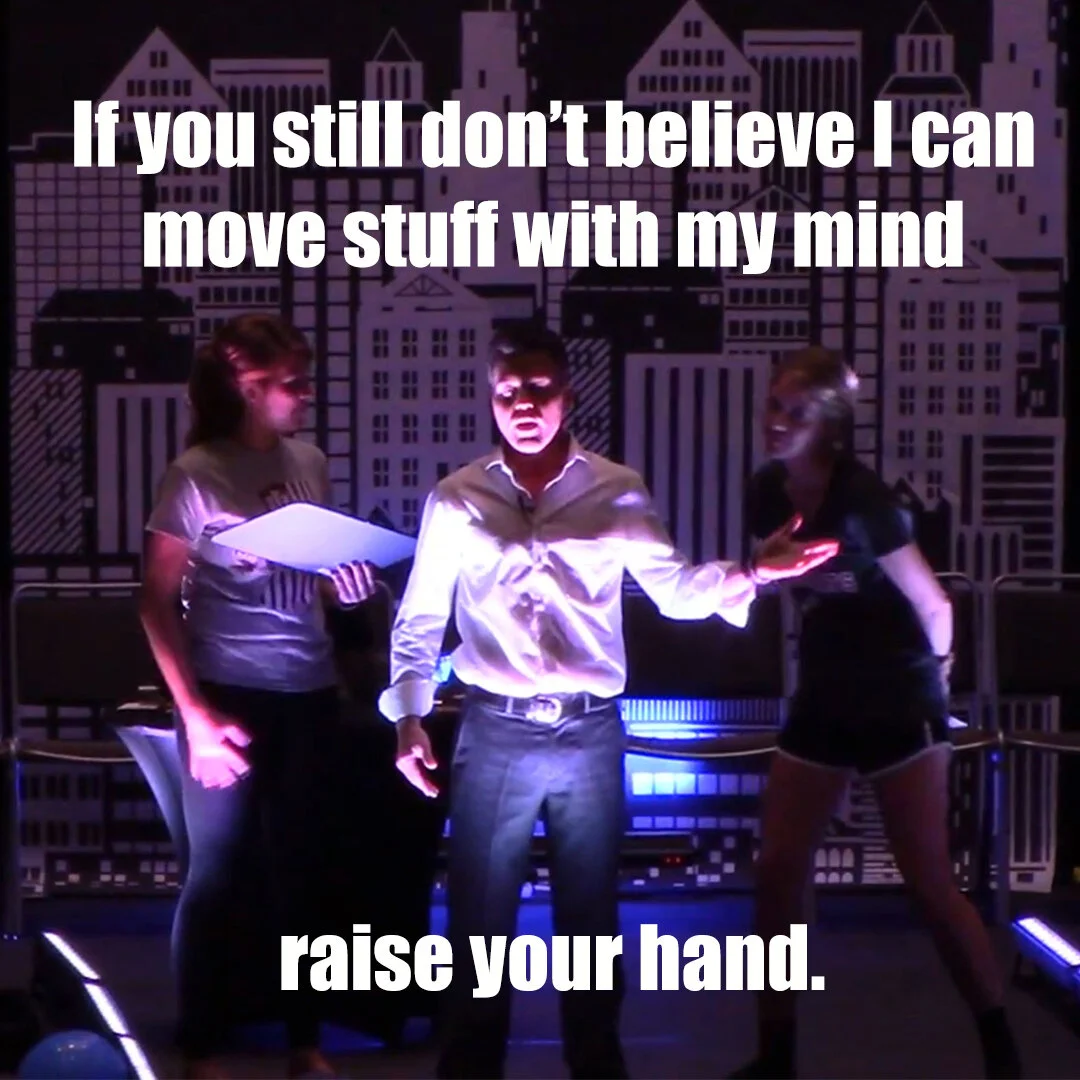
In popular culture the word “hypnosis” often brings to the mind stereotypes of stage hypnosisinvolving a showy transformation from the state of being awake into an euphoric state. It is usually depicted by the subject’s arms dropping hypnotically to their side,implying that they are drunk or asleepand then a demand to perform a certain action. Stage hypnosis is usually done by an entertainer who plays the role of the person who hypnotizes. The person’s consent is demonstrated by placing them in an euphoria state in which they will accept and follow suggestions given to them.
“Hypnosis,” as a verb,is used to describe “hypnosis” can be used to describe non-state phenomena. It is also believed that the effects that are observed in hypnotic induced states are examples of classical conditioning,and responses learned through prior experiences with the hypnotic process. But,it is widely accepted in the field that even when hypnosis is artificially produced to create states that are highly suggestible (known as ‘trance logic’)there is an elevated level in linguistic,cognitive,and cognitive functioning that behaves normallyeven when it appears to be highly concentrated. This paradoxical phenomenon has been suggested to be the result of two processes that work in opposition: one becoming more focused,while the other process becoming less focused. The hypnotized subject experiences a narrowing of focus,yet simultaneouslyan increased ability to focus on the issues that are relevant to the suggestion made by the hypnotist.
There are many theories on the actual process that takes place within the brain when a person is hypnotized. However,there does seem to be some consensus that it’s a combination of a focused concentration and a state of altered consciousness.
People under hypnosis generally tend to have their focus restricted to the brain region in which the voice of the hypnotist coming from. This causes a heightening of attentional processes,by shutting out all other sensory information. Hypnotized individuals are able to concentrate on the recommended behavior,but are still able to carry out actions that are not in line with their normal behavior patterns. The intense concentration causes an altered state in the brain.